
How a 10-Second Test Can Transform Your Running and Longevity
One Simple, But Eye Opening Exercise
My daughter is seven months old. She’s been starting to experiment with pulling up on objects to try to stand. Of course, she needs a close eye and support, or else she won’t be able to balance for longer than a second or two.
As a physical therapist, I know that it’ll take many months of practice and learning to stand with her hands supporting her, then to no hands supporting, then to balance on one leg.
Balance is something we don’t think much about—until we have to. It’s taken for granted.
That’s why any good running screen or injury risk assessment will include a single leg balance test.
It’s the most eye-opening test for runners.
Why Is Single Leg Balance So Important?
Running is a single leg activity.
Each and every step you take requires a complex system of stability, control, and joint alignment to function properly within fractions of a second.
It’s common for single leg balance to be more challenging on one side compared to the other—especially if you’ve had a past injury, no matter how long ago it was.
If you don’t test it during a single leg movement, your stronger side may be compensating and masking the issue.
For instructions on performing a single leg balance test for runners, here's a free sample of my Runner's Checklist course.
If you need improvement on this test, this course is exactly the resource you need to start working on:
-
Running injury prevention
-
Improving running form and efficiency
-
Building foundational strength for long-term performance
Plan Ahead for a Healthy Future
In my career and training as a physical therapist, I’ve worked with almost every type of person you might imagine— kids under two, folks over a hundred years old, patients after heart transplants, people in wheelchairs, athletes returning after ACL surgery, etc, etc…
One common thread among all of them?
Balance.
Balance is priority.
Balance is where we start.
For runners, poor balance and stability puts us at an increased risk for overuse injuries, compensations, and inefficient form.
When doing an initial evaluation with clients in my Return to Run Program, one question I always ask is:
“What is your current strength training program?”
Some may recite a list of exercises they try to do consistently. My follow up question will always be:
“What about single leg strength exercises?”
It’s only about 10-15% of the time that people are actively doing unilateral lower body work when I begin working with them.
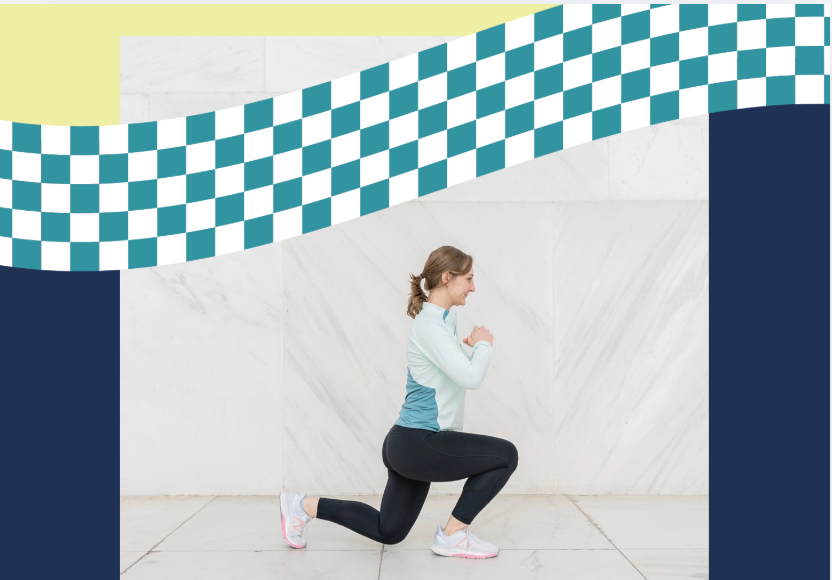
Runners, hear me when I say that single leg exercises are SO important!
If your goal is injury prevention, returning to running after injury, or improving your running performance, then single leg work is a non-negotiable part of your plan.
The first step?
Test your single leg balance!
Don’t want to go it alone? That’s exactly what my Return to Run Program is built for—to guide you through the hard parts and get you back stronger than before.
Plan Ahead for a Healthy Future
If you’re planning to live a long, meaningful, healthy life—then practicing your balance NOW is key.
It’s so much easier to maintain your balance than to rebuild it. These balance exercises aren’t just for running performance and injury recovery—as important as that is.
These are investments in your future mobility and independence.
Your healthy future starts now.
Have a question?
Reach out to me personally at [email protected]!

Responses