The Runner's Strength Checklist
Can You Pass These 5 Runner’s Strength Tests?
I personally used to dread the summer training cycle.
This was before becoming a physical therapist or a run coach. It’s hard for me to perform in the heat, and moving to Virginia didn’t help either. Holy humidity!
But after doing my research on the benefits of strength training for runners and speedwork, I began to find joy in the challenge of summer training.
My first year out of physical therapy school, I decided to brand the summer my “Summer of Strength.” This is the first time I got comfortable with a squat rack and progressive weight lifting for running performance.
That’s how I know it can be uncomfortable for runners to shift their focus to running-specific strength training. I get it, it’s new.
That’s why I made a list of key strength benchmarks and movement tests for runners who are looking to improve their power, balance, and injury resilience this summer.
Here’s your summer gut check. Can you do…
✅ 20 single-leg calf raises
✅ 60-second side plank on each side
✅ 30-second single-leg balance with eyes closed
✅ 8 single-leg squats
✅ 30-second pogo hop on each leg
For instructions on performing these tests, here's a free sample of my Runner's Checklist course that'll take you through each movement. And if you need improvement on any of the tests, this course is exactly the resource you need to start working on injury prevention, improving running form, and building foundational strength.
Let’s dig into why now is the best time to focus on your strength and mobility during the summer months.
Off Season = Opportunity
As the weather inevitably heats up, running events typically get shorter. The longer distances are reserved for the cooler temps in the fall.
I often tell my athletes that running comes in seasons. There are ones for personal records and big events, and others for recovery and refocus.
Embrace the summer as a time to focus on your growth areas.
This is especially true if you’re dealing with nagging pain or early signs of running injuries. Don’t fall into the trap of “I’ll just rest it or back off until it’s better.” Unless you address the root cause head-on, it’s likely to return when mileage increases.
To deal with recurring running injuries that you just can’t shake, you’d likely benefit from more personalized guidance with my Return to Run Program — a three-month intensive strength and run training plan personalized to your body and your goals.
Wherever you are in your running journey, the summer is a perfect window to focus on the fundamentals or experiment with something new that will push your running experience forward.
The Big Foundational Strength Moves That Matter Most
Not sure where to start with your strength training? Here’s a list of the top exercises for runners to master first:
1. Squats
Build quads, glutes, and trunk control — essential for absorbing ground reaction forces with every step.
Tip: Start with air squats to get your form right. Look in the mirror to ensure your knees do not collapse inward. Think about “sitting into a low chair.”
2. Deadlifts
A staple for posterior chain power: hamstrings, glutes, and low back. Supports strong push-off and protects from hamstring overload.
Tip: Start with a hip hinge drill. Then progress to RDLs (Romanian deadlifts) if you’re new to barbell lifts.
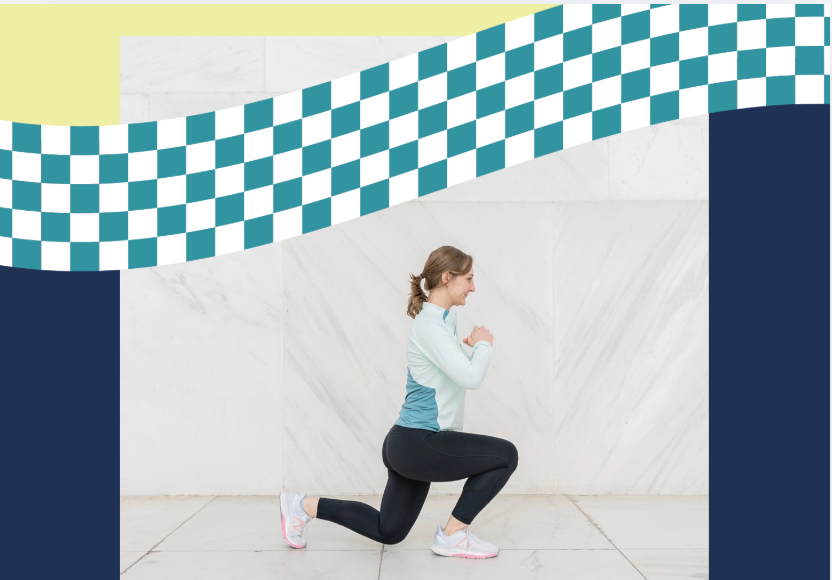
3. Single-Leg Squats
These highlight side-to-side imbalances and improve single-leg stability — crucial for injury prevention and running efficiency.
Tip: Start with a sit-to-stand or TRX assist and build from there.
4. Single-Leg Deadlifts
Great for hamstring strength, balance, and glute activation. These teach proper mechanics that translate directly to your running stride.
Tip: Use a light kettlebell and prioritize form over depth. Hold onto a wall if needed for balance.
5. Calf Raises
Your calves absorb 6–8x your bodyweight with every running step. This makes calf strength and endurance a non-negotiable.
Tip: Start with high-rep double-leg raises, then progress to single-leg and weighted versions once you master 20+ reps.
Here’s a link to a free sample of my Runner’s Checklist course, with self-guided instructions for each of the above tests!
What If You’re Having Pain?
If you’re experiencing pain during any of the above strength exercises for runners, that doesn’t mean you can’t run. It just means you need a more intentional rebuild.
Here are a couple tips for runners coming back from injury:
-
Strength is essential — but injured runners need more strategy.
-
Pace yourself. Walk breaks are not just tolerated — they’re smart.
-
Choose the right exercise variations. Small changes can make a big difference in what your body tolerates.
-
Track progress. Knowing what to tweak (and when) can feel overwhelming when you're in the weeds.
Don’t want to go it alone? That’s what the Return to Run Program is built for — to personally guide you through ambiguity and get you back stronger than before.
Imagine Where You Could Be This Fall
Where could you be if you focused on your own “Summer of Strength”?
You may have goals of running a new distance, hitting a new pace, or simply feeling strong and confident throughout your training. Whatever they are, you can’t go wrong with a dedicated strength training routine before the miles ramp up again.
Have a question? Reach out to me directly: [email protected]

Responses