How to Test Your Running Injury Risk
Can you pass these 5 Running Readiness Tests?
What if there were simple, evidence-based ways to reduce your risk of running injuries this season?
Would that help give you a little peace of mind during training?
Good news! There's been a lot of research on key running readiness tests that help assess your body’s current capacity and whether you're ready to run, especially after injury.
While there’s no way to predict exactly when or where an injury will happen, you can evaluate how well your body is handling the stress of running by testing for side-to-side imbalances, weakness, and control.
There are many tests I’ve studied and used as a physical therapist helping hundreds of runners successfully rehab from injury, but I put together a list of a few self-test options you can do at home.
Before you dive into them below, remember that the best way to reduce injuries is to balance your training with good, solid recovery. That means refueling with a balanced diet, achieving 7-8 hours (or more!) each night, and taking your easy miles seriously.
Remember: Training is the sustainable method of doing the same thing over and over again so you see steady progress.
Why Runners Should Test for Injury Risk
If you're currently training for a half marathon, marathon, or just building mileage, now is the perfect time to take a step back and evaluate your readiness to run injury-free.
These functional movement tests for runners are designed to highlight issues with balance, strength, stability, and control. All these are key foundations of injury prevention.
But don’t forget: the best way to reduce injury risk is a holistic approach. That means:
-
Following a balanced training plan with proper progression
-
Prioritizing sleep (7–8+ hours a night)
-
Refueling with nutrient-dense meals and hydration
-
Taking your recovery and easy runs seriously
Running injuries often happen when stress outweighs recovery. So testing your body before issues arise is a smart move—especially if you’ve had an injury in the past and want to check how your recovery is going.
The 5 Running Readiness Self-Tests
These movement-based tests are supported by both clinical experience and a combination of evidence-based running readiness assessment. Each one reflects the demands of running and can reveal potential weak spots.
Ask yourself:
Can you perform each test WITHOUT pain or major asymmetries?
✅ 25 Single-Leg Calf Raises
-
Tests: Calf strength and endurance
✅ 60-Second Side Plank (Each Side)
-
Tests: Core and lateral hip stability
✅ 30-Second Single-Leg Balance (Eyes Closed)
-
Tests: Proprioception and balance
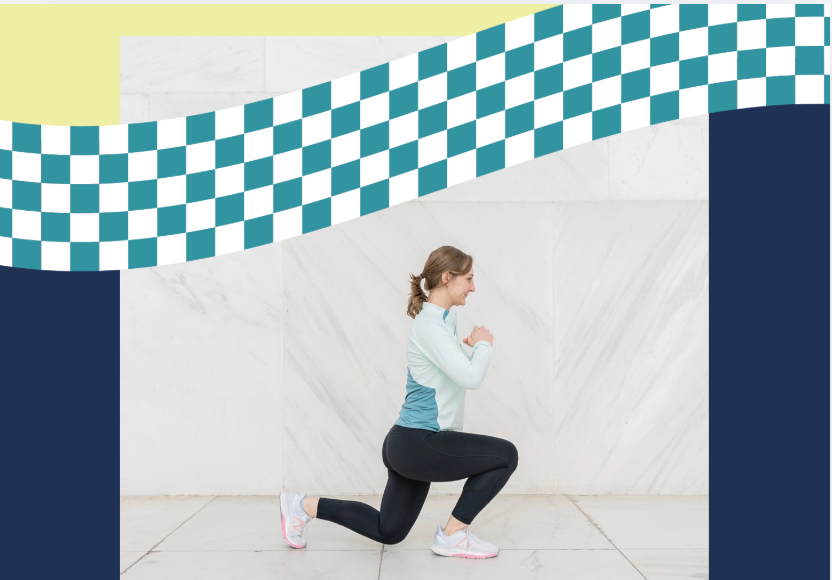
✅ 8 Single-Leg Squats
-
Tests: Lower body control, hip and quad strength
✅ 30-Second Pogo Hops (Each Leg)
-
Tests: Plyometric strength and tendon readiness
What to Do If You Struggle with One of These Tests
If you feel pain, notice significant side-to-side differences, or find yourself compensating through these tests, it may be a sign that you're at risk for a running related injury down the line.
That doesn’t mean you’re doomed from the get go, but it does mean you’ve found a smart starting point to strengthen your foundation. These movement patterns are directly tied to running efficiency, endurance, and longevity.
Want help?
I’ve created a free sample of my Runner’s Checklist course that walks you step-by-step through how to perform each of these movements correctly.
This self-paced resource helps you:
-
Improve weak points
-
Build running-specific strength
-
Optimize your running form
-
Lower your injury risk with confidence
If you need support improving any of the five tests, this course is the place to start. It’s all about practical, targeted injury prevention.
Test Yourself Today—It Takes Less Than 15 Minutes
These five runner injury prevention tests are quick but powerful. They’re designed to give you insight into how well your body is prepared for training load and where you might need to focus next.
👉 Try them now. Set aside 10–15 minutes and actually do them.
Pain, poor control, or asymmetry during any of these movements is your cue to pause and reassess your plan. The sooner you know what’s going on, the sooner you can address it and keep progressing without setbacks.
Hit reply and let me know how the tests went for you! I’m always happy to chat through your results and help guide you in the right direction for your training and recovery.
Found this article helpful?
➡️ Reply to me directly at [email protected] to ask your questions or share your experience while dealing with running related injuries.
✉️ Share with a running friend who you want to help stay injury-free this season!
❤️🩹 Avoid injuries before they start with my self-guided course: The Runner’s Checklist Course. Take the 18 mobility and form tests that are most important for runners to help determine your weak areas and start addressing them BEFORE they become a problem.

Responses